
In heavy construction fleets, agricultural operations, and industrial manufacturing plants, selecting the correct fluid for each mechanical circuit is essential to maintaining system efficiency and preventing sudden equipment failure. While hydraulic fluid and motor oil are both specialized liquid lubricants derived from petroleum or synthetic base stocks, their chemical formulations, additive packages, and physical roles within machinery are fundamentally different.
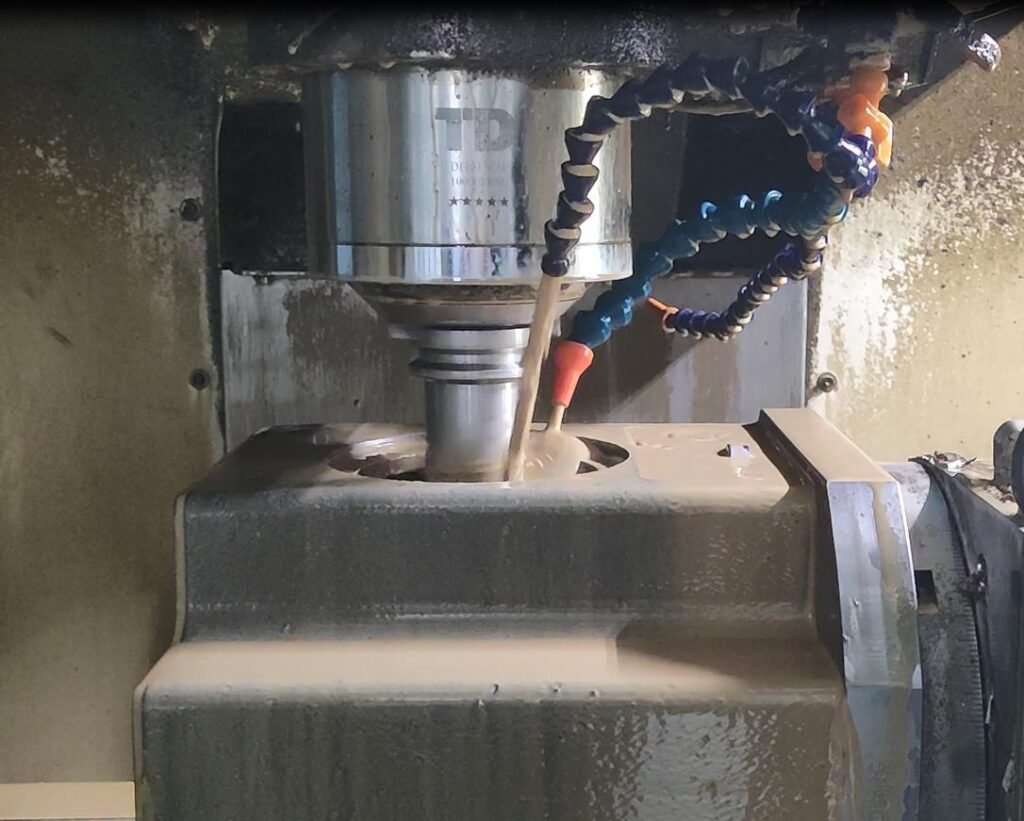
A surprisingly common field error is assuming these two fluids are interchangeable. Substituting motor oil into a high-pressure hydraulic circuit—or using hydraulic fluid inside an internal combustion engine—can lead to rapid component scoring, thermal breakdown, seal failure, and catastrophic pump failure.
As a premier global manufacturer of high-pressure hydraulic pumps, motors, and precision replacement parts, Guangdong Haozheng Hydraulic Equipment Co., Ltd. breaks down the technical differences, operational mechanics, and selection guidelines between hydraulic fluid and motor oil.
1. Physical Mechanics: Power Transmission vs. High-Heat Lubrication
To understand why these fluids cannot be interchanged, one must examine their primary functional roles within industrial equipment:
[Hydraulic Fluid] ──> Focus: Incompressible Power Transfer, Rapid Air Separation & High Shear Stability
[Motor Oil]       ──> Focus: High-Temperature Lubrication, Soot Suspension & Acid Neutralization
Hydraulic Fluid: Non-Compressible Energy Transfer
Hydraulic fluid serves as an energy transfer medium. Its primary purpose is to transmit hydrostatic force from a primary pump through control valves to actuators (cylinders and motors) with minimal energy loss.
- Core Characteristics: High anti-wear (AW) protection, ultra-fast air release, excellent demulsibility (ability to rapidly separate from water), and high shear stability under continuous system pressures exceeding $350\text{ bar}$ ($5,076\text{ PSI}$).
Motor Oil: Combustion Protection & Thermal Endurance
Motor oil is a lubricating and detergent medium. Its primary function is to reduce friction between high-speed sliding parts inside an internal combustion engine (pistons, crankshafts, bearings) while withstanding extreme heat and contamination from fuel combustion.
- Core Characteristics: Heavy concentrations of detergent and dispersant additives designed to hold soot, ash, and carbon particles in suspension until filtered out, alongside alkaline chemistry (Total Base Number – TBN) to neutralize acidic combustion gases.
2. Technical Comparison Matrix: Hydraulic Fluid vs. Motor Oil
| Engineering Parameter | Hydraulic Fluid (e.g., ISO VG 32, 46, 68) | Motor Oil (e.g., SAE 10W-30, 15W-40) |
| Primary Functional Purpose | Hydrostatic energy/power transmission. | Friction reduction & internal engine cleaning. |
| Detergent / Dispersant Package | Minimal to Zero (Water and particles must settle to the bottom of the reservoir). | Extremely High (Holds soot, dirt, and carbon in suspension). |
| Water Demulsibility (Separation) | High (Quickly sheds water to prevent pump cavitation and corrosion). | Low (Emulsifies small amounts of moisture to protect engine blocks). |
| Air Release / Foam Suppression | Ultra-Fast (Crucial to prevent spongy actuator response and pump erosion). | Moderate (Formulated for engine oil sump aeration levels). |
| Viscosity Rating System | ISO Viscosity Grade (ISO VG system). | SAE Grade (Society of Automotive Engineers). |
Critical System Advisory: Never add standard detergent motor oil to a high-pressure hydraulic circuit unless explicitly permitted by the OEM specification. Motor oil detergents will suspend water and micro-contaminants in the oil, causing a cloudy emulsion that rapidly erodes bimetallic valve plates and piston shoes.
3. Targeted Machinery & Operational Scenarios
Understanding where each fluid operates helps fleet operators and maintenance engineers protect critical assets:
Machinery Powered by Hydraulic Fluid:
Hydraulic fluid circulates through closed and open fluid-power networks in heavy-duty equipment:
- Hydraulic Excavators & Crawler Cranes: Delivers fluid pressure to extend boom cylinders, swing superstructures, and drive track motors.
- Plastic Injection Molding Machines: Powers high-tonnage clamping units and precision injection screws.
- Metal Stamping Presses & Shears: Transmits multi-ton forces to shape heavy sheet metal cleanly.
- Marine Deck Machinery & Winches: Powers anchor capstans and crane hoists under severe marine conditions.
Machinery Serviced by Motor Oil:
Motor oil is restricted exclusively to the internal combustion engine (ICE) crankcase:
- Diesel engines powering wheel loaders, haul trucks, and excavators.
- Gasoline and diesel power generators running on job sites.
- Tractor engines driving agricultural machinery and stationary power units.
4. The Haozheng Engineering Advantage: Protecting Hydraulic Circuits
Because hydraulic fluid operates under extreme pressure and tight mechanical clearances, fluid contamination or incorrect viscosity selection can severely damage pump components.
At Guangdong Haozheng Hydraulic Equipment Co., Ltd., we engineer precision axial piston pumps, hydraulic motors, and replacement rotating groups (including cylinder blocks, pistons, valve plates, and swashplates) built to withstand demanding industrial environments.
[Haozheng Component Standard]
Sub-Micron Precision Honing ──> Vacuum Heat Treatment ──> Bimetallic Wear Bonding ──> 100% Dynamic Bench Testing
The Haozheng Manufacturing Standard:
- Sub-Micron Clearances: The internal fit between our replacement pistons and cylinder bores is micro-honed to within $5 – 8\text{ microns}$. Maintaining clean, correctly rated hydraulic fluid prevents abrasive scoring and keeps volumetric efficiency above 95%.
- Advanced Bimetallic Protection: Our valve plates and piston slipper pads utilize high-tin bronze bonded to alloy steel, providing superior friction resistance during high-temperature operations.
- 100% Load-Bench Validation: Every complete pump unit and component set manufactured by Haozheng undergoes rigorous dynamic pressure testing on digital test stands before global dispatch.
Conclusion
Although hydraulic fluid and motor oil share similar base oils, they perform vastly different mechanical tasks. Hydraulic fluid relies on rapid air release, high demulsibility, and shear stability to transfer energy, whereas motor oil uses heavy detergents to clean and lubricate internal combustion engines. Keeping these fluids properly segregated is essential for protecting heavy machinery against unexpected downtime.
For B2B procurement specialists, hydraulic repair centers, and equipment distributors seeking top-tier manufacturing quality, precision pumps, and reliable replacement parts, Guangdong Haozheng Hydraulic Equipment Co., Ltd. delivers factory-direct pricing backed by uncompromising engineering standards.